
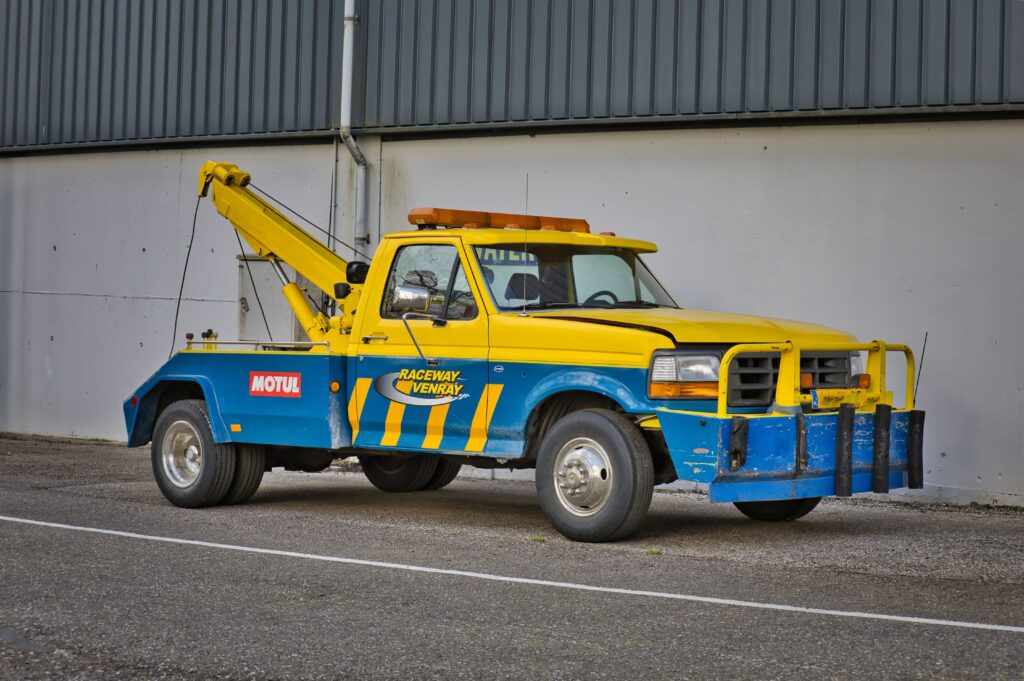
Running a trade business in Minnesota—whether you are pulling long shifts in a tow truck, hauling materials to a job site, or running high-powered detailing rigs—demands heavy, reliable equipment. Every season brings necessary upgrades: a new flatbed, a commercial trailer, hydraulic lifts, or heavy-duty power tools.
Too many contractors view major equipment purchases solely as massive cash drains. Under the U.S. tax code, specifically Section 179, purchasing qualifying equipment can serve as one of your most powerful levers to dramatically lower your net taxable income before the year ends.
How Section 179 Works for Trades & Service Businesses
Under standard tax rules, when you purchase a major asset, you are forced to write it off slowly over several years through regular depreciation schedules. Section 179 changes the game by allowing eligible small businesses to write off up to 100% of the purchase price of qualifying equipment in the exact tax year it is acquired and placed into service.
- Upfront Tax Relief: Instead of waiting five to seven years to deduct the full value of a work vehicle or machine, you deduct the eligible purchase price immediately against your net business profits.
- Financed Equipment Qualifies: You do not have to pay 100% cash up front to claim the deduction. If you finance or lease qualifying equipment, you can often deduct the full purchase price in year one while making monthly payments over time.
- Both New and Used Assets Count: The equipment does not need to be brand new off the showroom floor; used trucks, trailers, and machinery qualify as long as they are new to your business.
What Qualifies for Section 179 Recovery?
To claim the deduction, the equipment must be purchased and actively placed into business service before December 31 of the tax year, and it must be used for business purposes more than 50% of the time:
- Heavy Work Vehicles: Tow trucks, flatbeds, cargo vans, and passenger vehicles with a Gross Vehicle Weight Rating (GVWR) exceeding 6,000 pounds.
- Trade Tools & Machinery: Commercial pressure washers, skid steers, paint sprayers, generators, and heavy-duty shop lifts.
- Office & Operational Hardware: Business laptops, servers, dispatch systems, and diagnostic computers used to manage jobs and track crews.
Avoid the Year-End Scramble: Plan Before You Buy
Buying equipment solely for a tax write-off without analyzing your cash flow is a common mistake. Section 179 is most effective when integrated into a broader business strategy:
- The “Placed in Service” Rule: Simply ordering machinery or signing a lease in late December is not enough. The equipment must be physically delivered, set up, and ready for work before the calendar year ends.
- Profit Limitations: Section 179 cannot be used to create a net operating loss for your business. Aligning your equipment purchases with your projected year-end profit margins ensures you capture the maximum tax benefit without overextending cash reserves.
- Audit-Proof Documentation: The IRS closely reviews vehicle mileage and business-use percentages. Storing your purchase agreements, financing contracts, and maintenance logs in an encrypted digital client portal keeps your deductions fully defensible during an audit.